
The objective of this project is to research about the user interface design of serious games aimed at aiding the physio therapeutic rehabilitation of geriatric patients in India. With the rising elderly population in the country and an increasing need for rehabilitation, this research will focus on games promoting physical activity, improving mobility, and enhancing cognitive function in a manner that is engaging and accessible for older adults. By integrating elements of gamification, the design will encourage adherence to physiotherapy routines, making rehabilitation more enjoyable and personalized for geriatric patients.
Game Design
Secondary Research
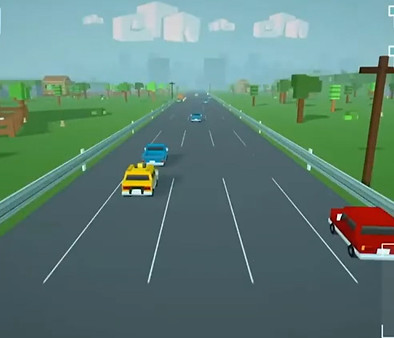
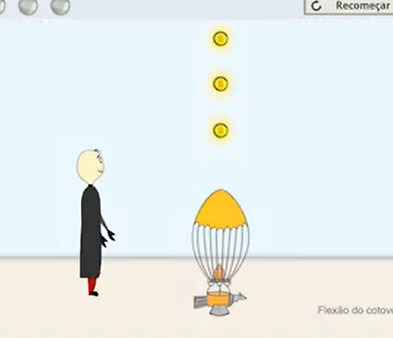
The secondary research focused on exploring the existing serious games for physiotherapeutic rehabilitation. Their user interfaces and population emphasis was studied.
Pros
Cons
Most of the games studied had the following advantages:
-
Representation of exercises that the person was doing was simple and easy to understand.
-
Games were simple to play
-
Division of Games: The games were divided according to body parts.
Most of the games had the following disadvantages:
-
Inconsistent Indicators: The games lacked a standardized way of indicating difficulty levels.
-
Inconsistent Typefaces
-
Inconsistent colours
-
No Pause Functionality: There was no option to pause the game, in most of the games
Interview Responses
 |  |  |  |
|---|---|---|---|
 |  |  |
Ideations


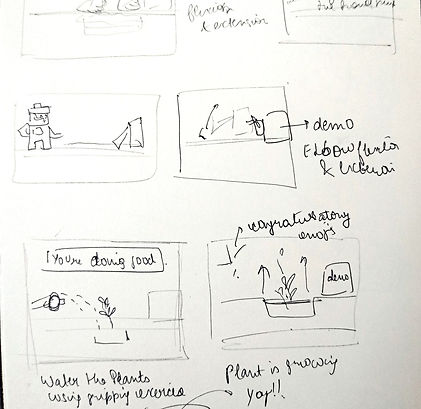


Final Character
The final character is a gardener holding a plough. The character was drawn in a pixelated style to keep the overall game simple and easy to understand for the geriatric population.
Prototype


Future Scope
The development of the game will undergo further refinement to enhance its functionality and user experience. One of the primary improvements will be the integration of sensor technology, which will enable real time tracking of user movements and physiological data during gameplay. This enhancement aims to make the game more interactive and provide precise feedback to users, particularly in the context of physiotherapeutic rehabilitation. Once the game is equipped with sensors, it will be tested extensively with a diverse group of users, including patients undergoing physiotherapy, healthcare professionals, and potentially healthy individuals for comparison.